Mud tubes running up your foundation are subterranean termites building a protected path from the soil to the wood framing — our inspection traces every tube back to its source before we quote a barrier treatment. A colony can feed on structural wood for years before any visible sign appears on the surface, which is why routine inspection matters even without an active swarm.
A full inspection includes a wood-destroying organism report suitable for real estate closings, at no charge.
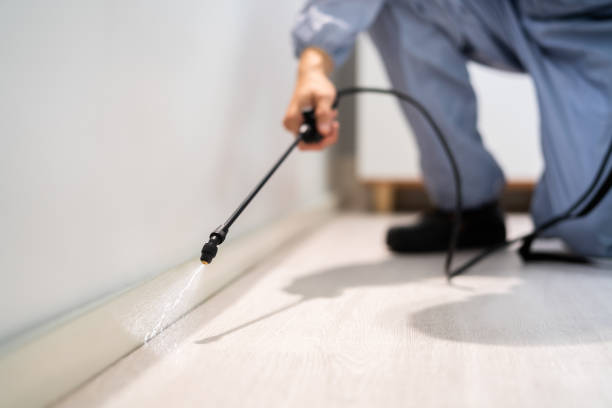
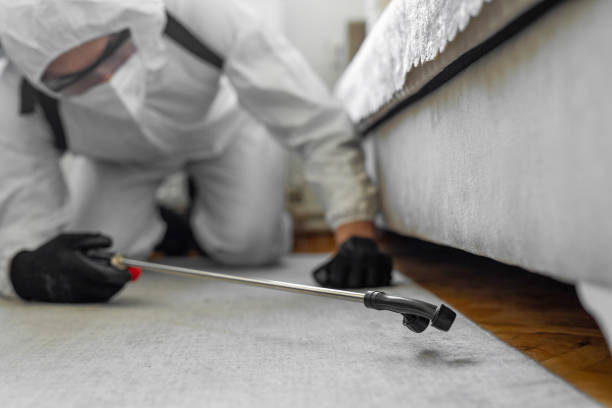

Every technician performing Burns termite inspections carries state licensing for wood-destroying organism reporting.
We keep inspection slots open same-week for Burns homeowners seeing mud tubes or wings near windows.
Liquid barrier and bait station pricing is quoted after inspection, tied to linear footage and species found.
We use moisture meters, sounding hammers, and sometimes thermal imaging to find damage hidden behind finished walls.
A liquid barrier is trenched and applied along the full foundation line, not just the section where mud tubes were spotted.
Bait stations are placed around the property and checked on a monitoring schedule to catch new activity early.
Drywood termites don't need soil contact, so treatment targets the specific wood member, often with localized injection.
We provide a full written wood-destroying organism report accepted by most lenders as part of closing documents.
Moisture meters and sounding tools help us map the extent of existing damage before recommending repairs.
Commercial properties get scheduled monitoring and renewal treatment under a documented termite protection plan.

Call +1-866-315-0243 and describe what you've seen — mud tubes, wings, or soft wood — so we can prioritize the inspection.
Our mobile units carry both liquid termiticide and bait station equipment for Burns termite calls.
We trace mud tubes, check for wood-to-soil contact, and identify subterranean versus drywood species before quoting.
Guarantee coverage means continued activity within the guarantee window gets a free re-treatment.
The WDO report they provided was exactly what our lender needed for closing — saved us from a delay.
Swarmers showed up near our bedroom window one evening and I panicked. The inspection found a subterranean colony and the liquid barrier was done the same week.
Our office building needed a termite protection plan for insurance purposes and Nex Pest Control set up recurring monitoring with documented reports.
Bait stations were installed along our property line and the quarterly monitoring checks have been reassuring ever since.

No matter which Burns neighborhood you're in, a technician equipped for termite-specific work can reach you within days, often sooner. We cover single-family homes, multi-unit buildings, and commercial properties across Burns with the same inspection standard and documentation.

Termite swarmers have straight antennae and a thick waist, unlike the bent antennae and pinched waist of flying ants.
Knowing which species you have changes both the treatment method and the price, which is why inspection comes first.
Yes, a WDO report is standard for most real estate transactions and we can usually schedule it within a few days.
Longevity depends on the product used and soil conditions, which we'll explain based on what's applied to your property.
Most subterranean treatments are done outside the structure, so interior disruption is minimal.
If monitoring shows continued activity, we return and address it at no additional charge under your plan.
One call to +1-866-315-0243 gets a certified termite technician on your schedule.
Call +1-866-315-0243